Malachy M. Zuberi on African Think Tank
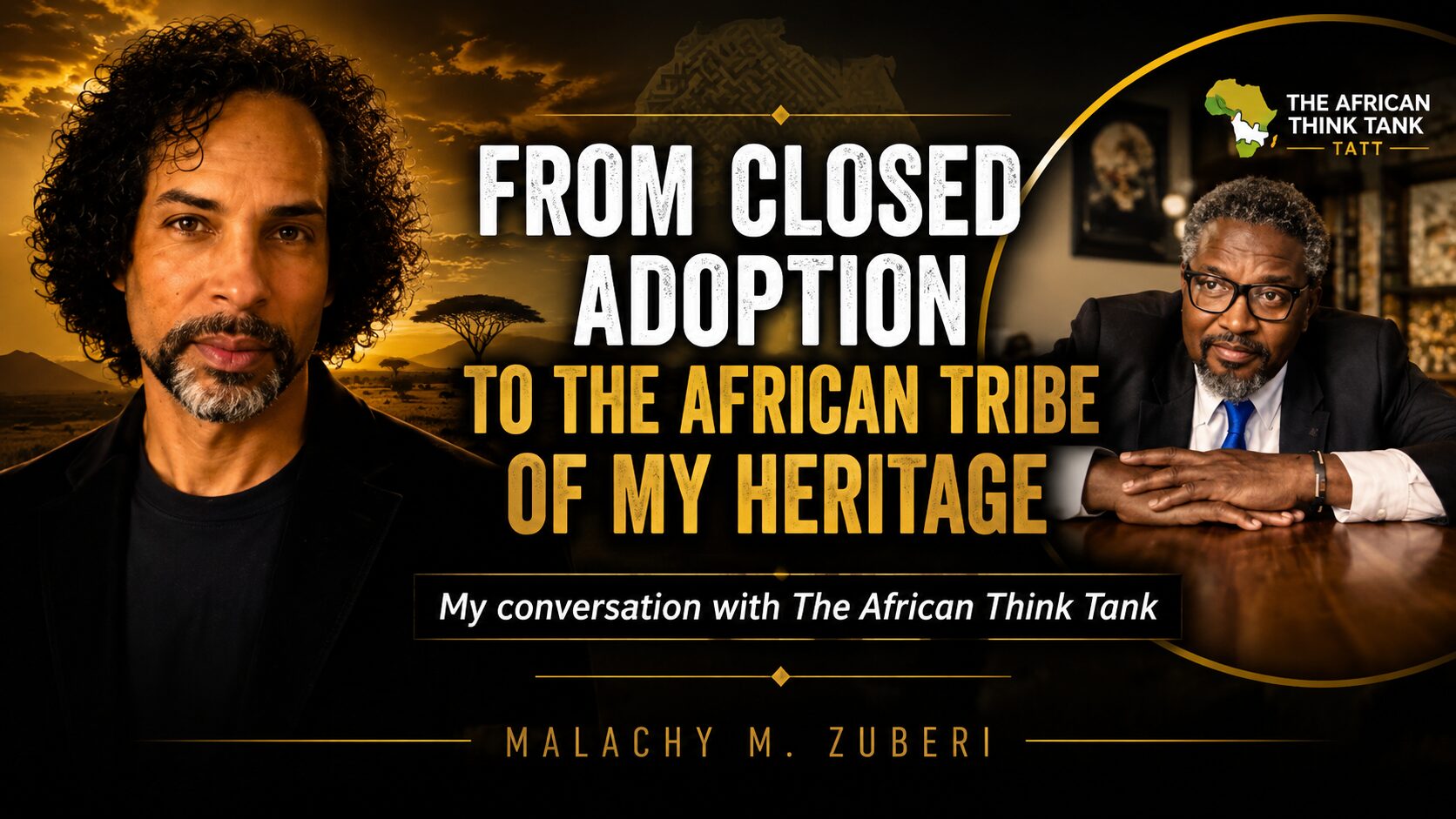
NAIROBI, Kenya — Malachy M. Zuberi, author and founder of Wanzia Nation, recently appeared as a featured guest on TATT Talks, the interview series produced by The African Think Tank. During the interview, he shared the extraordinary journey that took him from a closed California adoption to a ceremonial return to the African tribe of his heritage.
The conversation explored identity, belonging, cultural continuity, the African diaspora, and the role of communities and creators in shaping the future.
Watch Full TATT Talks Conversation
Originally recorded and published by The African Think Tank. Watch the complete conversation above, then continue the journey through FRACTURE and Wanzia Nation.
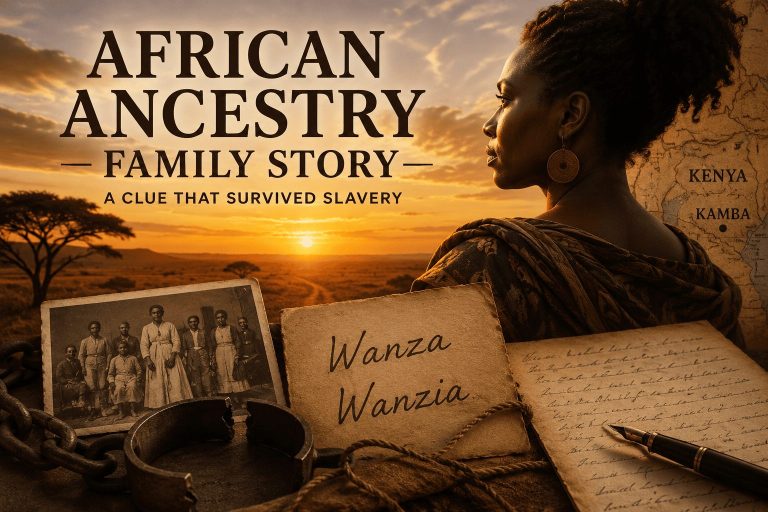
Born into a closed adoption in California, Zuberi spent decades searching for answers about his origins. His journey eventually led him to reconnect with members of the Kamba people of Kenya, where he was ceremonially welcomed into the tribe after tracing connections that extended back to family stories preserved for generations.
During the TATT Talks interview, Zuberi discussed the experiences that eventually led him to Africa, including a major earthquake in Bangkok that became a turning point in his life.
On March 28, 2025, while living in Bangkok, Zuberi experienced a major earthquake that became an unexpected turning point in his life.
The Moment Everything Changed For Malachy M. Zuberi
Video recorded by Malachy M. Zuberi during the March 2025 earthquake in Bangkok, Thailand.
“One of the questions that followed me since childhood was whether I had somehow been lost. What I eventually discovered was not only where I came from, but what I felt called to build.”
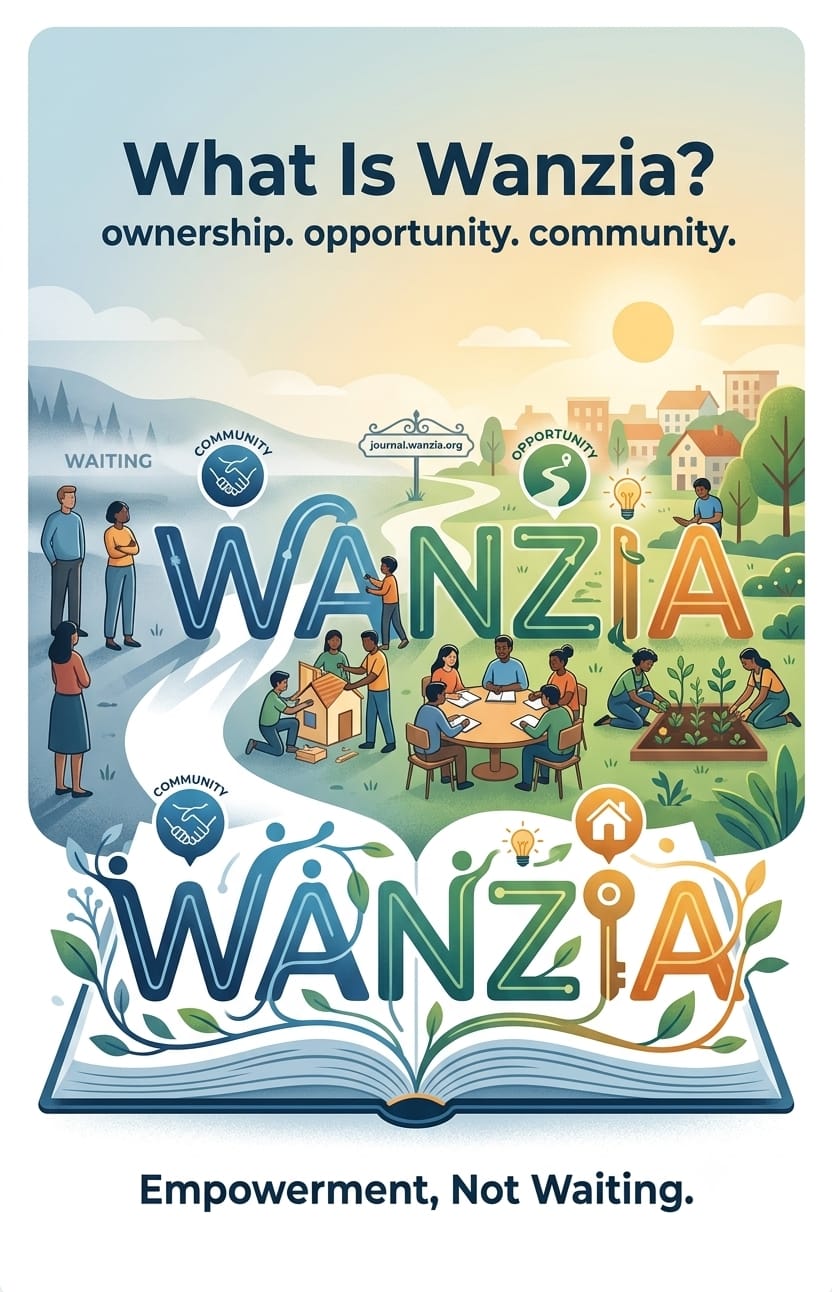
That vision became Wanzia Nation, a developing creative ecosystem focused on identity, creator ownership, cultural continuity, and opportunity across Africa and the global diaspora.
The discussion explored several themes, including diaspora reconnection, cultural preservation, collective action, and how communities can build meaningful opportunities while preserving their heritage.
When asked how people can come together to create change, Zuberi emphasized purpose.
“People rarely unite around problems. They unite around purpose. The question is not simply how we unite, but what we are willing to build together.”
Audience members and participants continued the discussion after the event, asking questions about reconnecting the African diaspora, preserving indigenous knowledge, and creating systems that can benefit future generations.
The interview also highlighted FRACTURE, Zuberi’s memoir examining adoption, identity, ancestry, and belonging. The book serves as the foundation for a broader conversation about personal history, cultural memory, and the search for meaning.
FRACTURE
Much of the earlier part of this journey is explored in FRACTURE: Why We Feel Disconnected—and How We Become Whole.
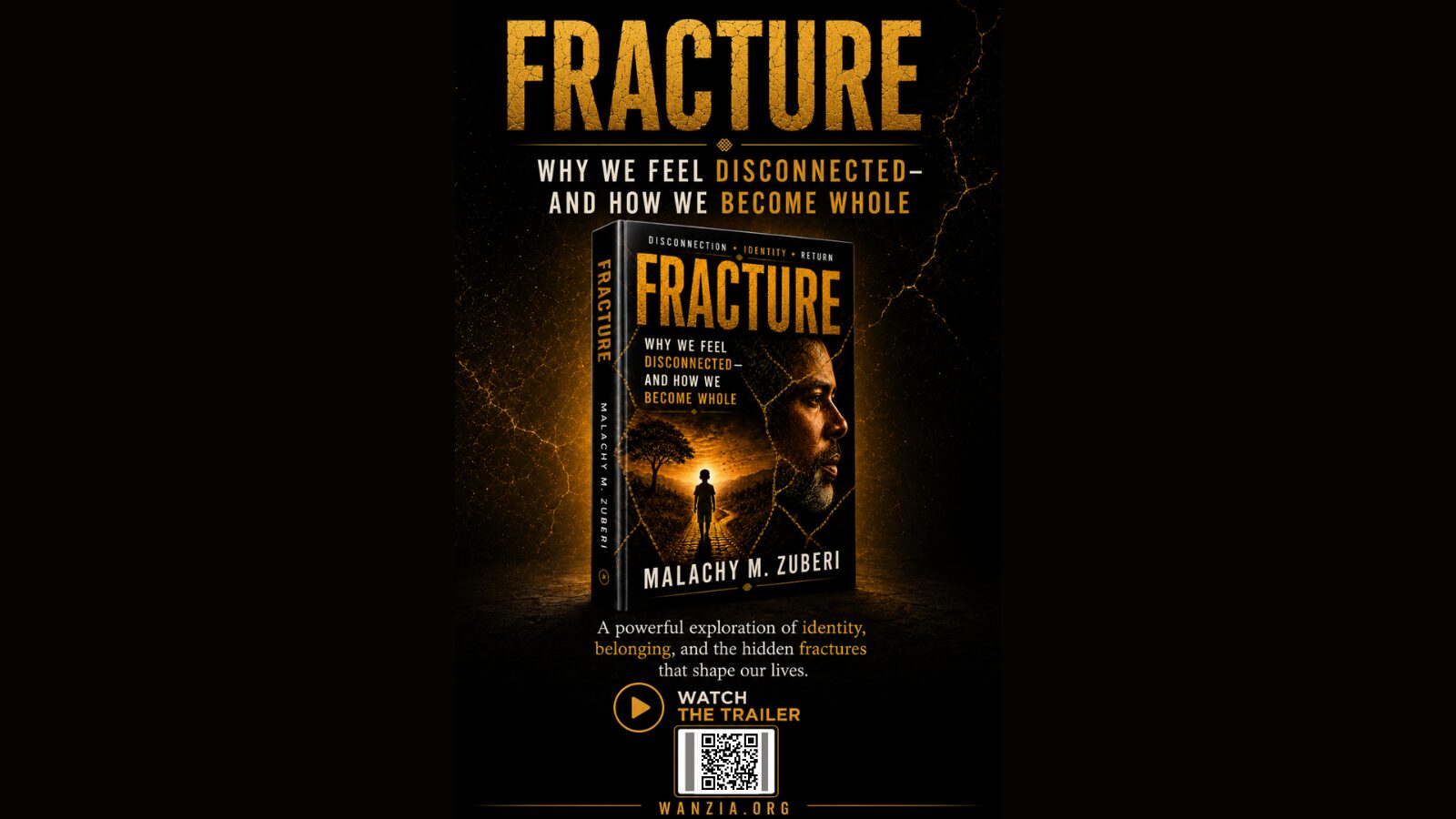
The book explores adoption, identity, family, belonging, and the hidden fractures that shape our lives.
The African Think Tank’s TATT Talks series provides a platform for voices from Africa and the diaspora to engage in conversations surrounding leadership, development, identity, and social impact.
As the conversation concluded, Zuberi posed a question that has become central to his own work:
“What are you building that will still matter when you’re gone?”
For Zuberi, that answer became Wanzia Nation — an effort to reconnect people, preserve continuity, empower creators, and help communities build something that extends beyond a single lifetime.
About Wanzia Nation
Wanzia Nation is a developing creative ecosystem where books, music, film, and digital media help preserve continuity, empower creators, and create opportunity across Africa and the global diaspora.
Continue the Journey
The story begins with FRACTURE.
The work continues through Wanzia Nation.
Learn more:
Readers can watch the full interview on The African Think Tank’s TATT Talks.